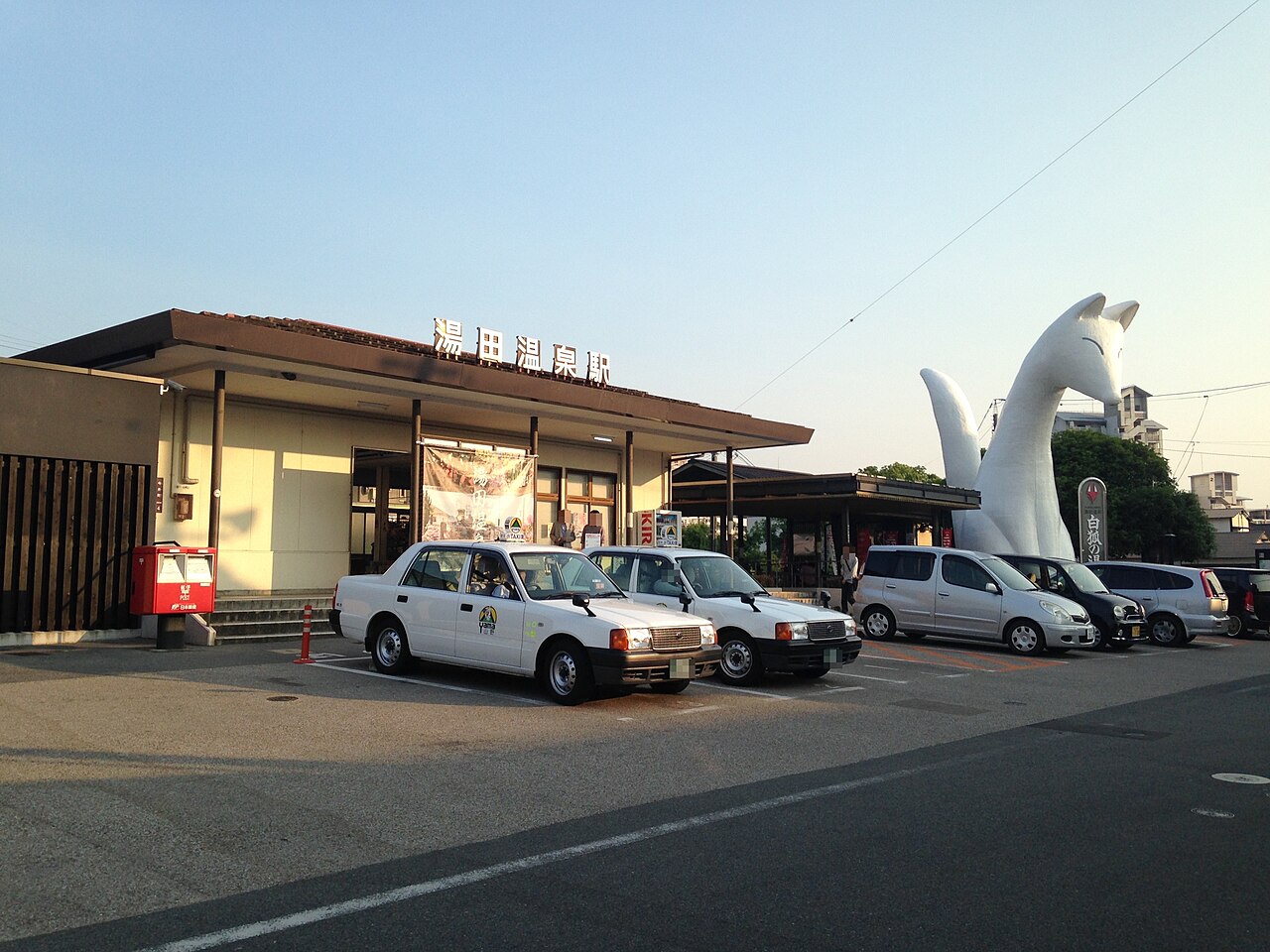
Yamaguchi · Yuda White Fox + Nagato Yumoto Renewed Old Town / 山口 / 湯田の白狐伝説と長門湯本の再生温泉街

Yamaguchi Onsen Guide

Top hot springs, ryokan, and day-use baths in Yamaguchi — bilingual guide for travelers.

山口のおすすめ温泉地・温泉宿・日帰り温泉を厳選紹介。

Yamaguchi spreads along Japan's western tip with onsen culture defined by its samurai history (the prefecture produced more Meiji Restoration leaders than any other) and Sea of Japan coast. Yuda Onsen in Yamaguchi City — known for its 800-year "white fox" origin legend — sits walking distance from the historic city center. Nagato Yumoto, the oldest onsen in the region (founded 1427), underwent a celebrated 2020 town revitalization project by designer Kengo Kuma that turned it into a model "renewed traditional onsen town." Add Kawatana with its "Aoryu" (blue dragon) legend, Tawarayama's 1,200-year yuji culture, and Hagi onsen near the samurai castle town, and Yamaguchi offers a deep but under-the-radar circuit. From Hiroshima: Yuda 90 min by Shinkansen + JR.

山口は本州最西端に広がる、明治維新の志士を最も多く輩出した「維新の県」——温泉文化もその歴史的深さと日本海岸の風土が織りなす独自のもの。湯田温泉は山口市内、800年前の「白狐の伝説」で開湯した古湯で、歴史的市街地から徒歩圏。長門湯本温泉は山口県最古(1427年開湯)の湯で、2020年の隈研吾デザインによる「温泉街再生プロジェクト」で再整備され、「進化する伝統温泉街」のモデルケースに。川棚温泉の「青龍伝説」、俵山温泉の1200年の湯治文化、萩温泉の城下町立地——地味だが深い湯巡り県。広島から湯田まで新幹線+JRで90分。

5 Top Onsen in Yamaguchi

Where to soak

山口のおすすめ温泉地・温泉宿 5選

Yuda Onsen (湯田温泉)01

Yuda Onsen

湯田温泉

Yamaguchi City's 800-year urban onsen + white fox legend

山口市内の都市温泉、白狐の800年伝説

SpringAlkaline simple spring単純温泉(アルカリ性)
Fromfrom ¥18,000 / night
SourceFree-flow (kakenagashi) per public info/ 源泉かけ流し(公式情報)

Yuda Onsen is the largest onsen district in Yamaguchi — uniquely sited inside Yamaguchi City for direct urban-onsen convenience. The 800-year origin legend says a white fox dipped its injured leg in the spring and healed; today white-fox statues mark the town. The 19th-century Meiji Restoration thinkers (Yoshida Shoin's disciples) used Yuda as a meeting place for revolutionary planning, and the town's "Inoue Bisei" memorial preserves this history. About 30 ryokan and hotels with strong English support due to the urban setting. The hot springs are alkaline simple type. Walking distance to Yamaguchi Castle ruins, Joeiji Temple (with the famous Sesshu Garden). From Shin-Yamaguchi Shinkansen Station: 15 min by bus.

  • 800-year white fox origin legend
  • Urban onsen — walking distance to Yamaguchi City sites
  • Meiji Restoration revolutionary meeting place

Hours and prices vary — always confirm on the official site before visiting.
営業時間・料金は変動するため、必ず公式サイトでご確認ください。
Nagato Yumoto Onsen (長門湯本温泉)02

Nagato Yumoto Onsen

長門湯本温泉

Yamaguchi's oldest (founded 1427) — Kengo Kuma 2020 renewal

山口最古、隈研吾2020年再生プロジェクト

SpringAlkaline simple spring単純温泉(アルカリ性)
Fromfrom ¥22,000 / night
SourceFree-flow (kakenagashi) per public info/ 源泉かけ流し(公式情報)

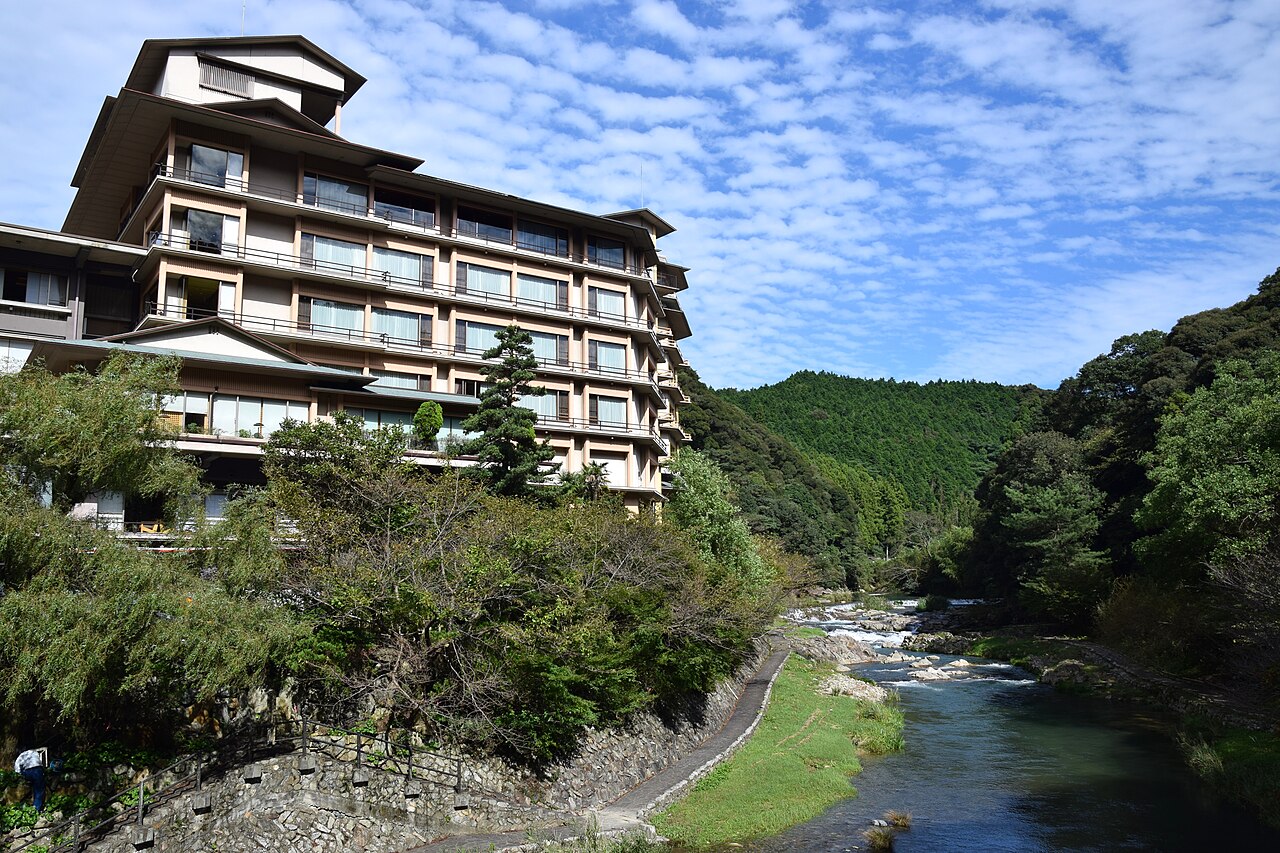
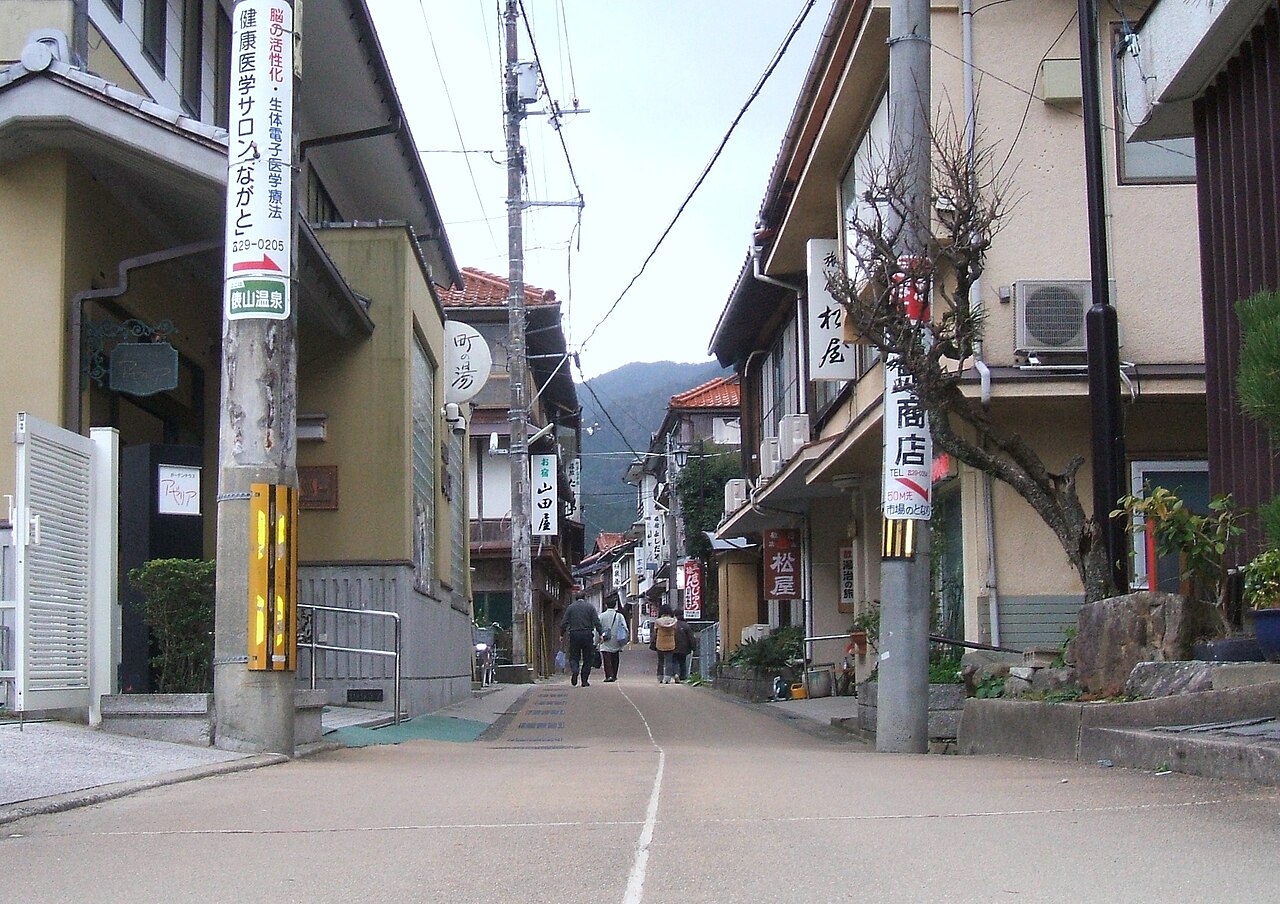
Nagato Yumoto Onsen is the oldest hot spring in Yamaguchi Prefecture (founded 1427, Muromachi period) and the gateway to the Otozu River gorge. After decades of decline as a Showa-era resort, the town underwent a celebrated revitalization project completed 2020 — designed by Pritzker laureate Kengo Kuma — that transformed the riverside walkway, public bathhouse "Onto-yu," and overall townscape into a model of "next-generation traditional onsen town." The result was named "Japan's best urban revitalization 2020" by multiple industry awards. About 15 ryokan along the Otozu River. The "Onto-yu" public bath draws Yamaguchi's oldest spring and was rebuilt in 2020. From Shimonoseki: 1h via JR.

  • Yamaguchi's oldest — founded 1427 (Muromachi)
  • 2020 Kengo Kuma renewal — model "renewed onsen town"
  • "Onto-yu" — public bath of Yamaguchi's oldest spring (rebuilt 2020)

Hours and prices vary — always confirm on the official site before visiting.
営業時間・料金は変動するため、必ず公式サイトでご確認ください。
Tawarayama Onsen (俵山温泉)03

Tawarayama Onsen

俵山温泉

1,200-year "machi-yu" recuperative onsen — no in-ryokan baths

1200年の町湯文化、宿に風呂はなく外湯のみ

SpringAlkaline simple spring単純温泉(アルカリ性)
Fromfrom ¥12,000 / night
SourceFree-flow (kakenagashi) per public info/ 源泉かけ流し(公式情報)

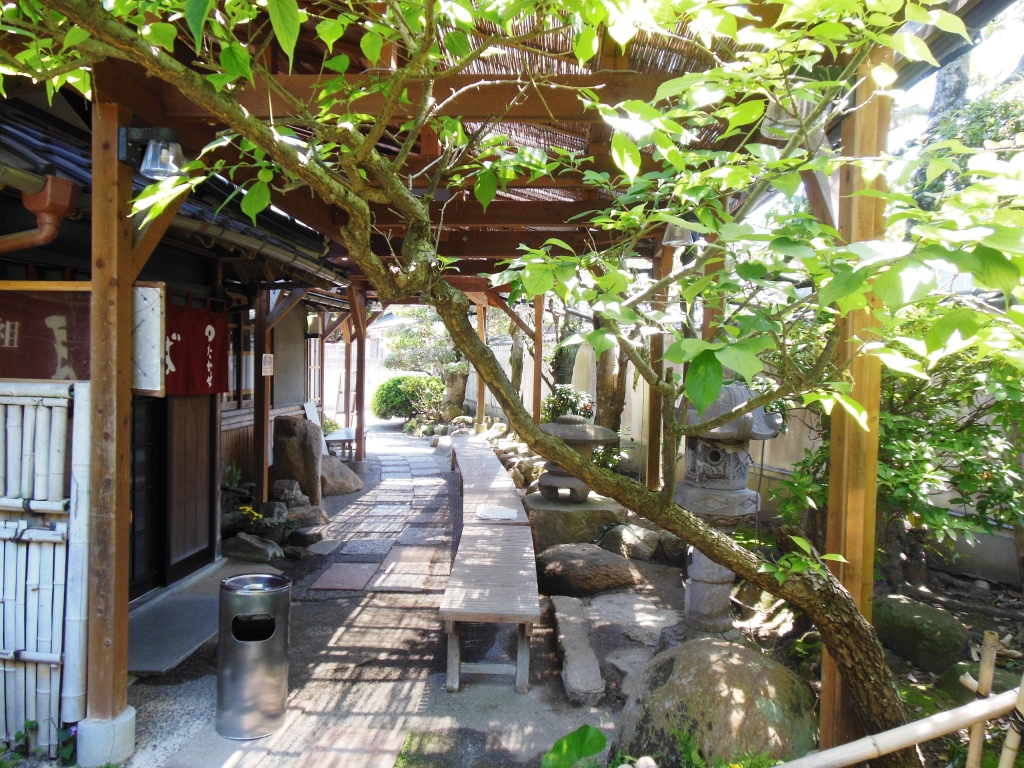
Tawarayama Onsen is a tiny mountain hamlet with one of Japan's most distinctive bathing cultures: most ryokan and minshuku do NOT have their own baths. Guests are expected to walk to one of two ancient public bathhouses ("Machi-no-Yu" and "Hakuen-no-Yu") for all bathing — a "soto-yu only" tradition unchanged since the 9th-century origin. This setup preserves the "yuji" (recuperative stay) atmosphere where bathers stay 3–7+ days for healing rest. About 25 simple inns line the village streets. Best for travelers seeking deep traditional immersion. From Nagato City: 30 min by bus.

  • Unique "soto-yu only" tradition — no in-ryokan baths
  • 1,200-year yuji recuperative stay culture
  • 25+ simple village inns, very budget-friendly

Hours and prices vary — always confirm on the official site before visiting.
営業時間・料金は変動するため、必ず公式サイトでご確認ください。
Kawatana Onsen (川棚温泉)04

Kawatana Onsen

川棚温泉

"Aoryu" blue dragon legend + Kawara-soba specialty

青龍伝説の湯と瓦そばが名物

SpringSodium chloride spring塩化物泉
Fromfrom ¥14,000 / night
SourceFree-flow (kakenagashi) per public info/ 源泉かけ流し(公式情報)

Kawatana Onsen lies on the western coast of Yamaguchi near Shimonoseki, with a 700-year origin legend involving "Aoryu" (the blue dragon spirit said to have created the spring). Today about 10 ryokan operate in a quiet seaside area. The hot spring is sodium chloride type. The local specialty is "Kawara-soba" — green-tea soba grilled on a hot roof tile and topped with beef, egg, and a warm dipping broth, a dish born here in Kawatana. From Shimonoseki: 30 min by JR Sanin Main Line.

  • 700-year "Aoryu" blue dragon origin legend
  • Quiet western seaside onsen
  • "Kawara-soba" — birthplace of the roof-tile soba dish

Hours and prices vary — always confirm on the official site before visiting.
営業時間・料金は変動するため、必ず公式サイトでご確認ください。

Hagi Onsen (萩温泉郷)05

Hagi Onsen

萩温泉郷

Castle-town samurai-era streetscape + Meiji Restoration heritage

萩城下町、明治維新発祥地の温泉

SpringSodium calcium chloride hydrogen carbonate spring塩化物・炭酸水素塩泉
Fromfrom ¥18,000 / night
SourceFree-flow (kakenagashi) per public info/ 源泉かけ流し(公式情報)

Hagi Onsen-go is the cluster of hot springs in and around Hagi City — the historically loaded castle town on the Sea of Japan coast where the late-Edo "Choshu Domain" produced Yoshida Shoin (the philosophical father of the Meiji Restoration) and his disciples (Ito Hirobumi, Yamagata Aritomo, Kido Takayoshi). The samurai-quarter streetscape is largely intact and UNESCO World Heritage-inscribed (2015, "Sites of Japan's Meiji Industrial Revolution"). The onsen waters were developed in 2004 from deep drilling. About 8 ryokan and hotels offer onsen baths combined with castle-town walking access. Hagi pottery (Hagi-yaki, 400-year tradition) is the regional craft.

  • UNESCO castle town — Meiji Restoration cradle
  • Yoshida Shoin + Ito Hirobumi heritage
  • 400-year Hagi-yaki pottery tradition

Hours and prices vary — always confirm on the official site before visiting.
営業時間・料金は変動するため、必ず公式サイトでご確認ください。

Insider Tips for Yamaguchi

Know before you go

山口の旅で知っておきたい5つのこと

Nagato Yumoto Onto-yu — Historic Spring, Reborn

長門湯本「恩湯」、歴史を再生した共同浴場

"Onto-yu" public bath draws Yamaguchi's oldest spring (1427 origin). It closed in 2017 due to aging, and the 2020 Kengo Kuma renewal rebuilt it with modern amenities while honoring its history (new dressing rooms, accessibility). ¥600. The building uses local Yamaguchi wood and a traditional gable roof. Visit at sunset for the best architectural appreciation.

長門湯本「恩湯」共同浴場は山口県最古の湯(1427年開湯)。老朽化で2017年に一旦閉鎖し、2020年の隈研吾再生プロジェクトで歴史を受け継ぎつつ近代的設備(脱衣場新築、バリアフリー化)を備えて再建。600円。建物は地元山口の木材と伝統的な切妻屋根を使用。建築鑑賞は夕暮れがベスト。

Tawarayama Yuji Style — Walk to the Baths

俵山温泉の湯治スタイル、外湯まで歩く

Staying at Tawarayama means abandoning Western hotel expectations. Most inns have no internal bath — guests walk in yukata to "Machi-no-Yu" or "Hakuen-no-Yu" public baths (¥420 each, or free with multi-day stay passes). The 1–2 km walking ritual is the whole point of the experience. Stays of 3–7 days are traditional. Inn rates from ¥7,000/night include breakfast + dinner.

俵山温泉に泊まるなら西洋ホテル感覚を捨てる:大半の宿に内湯なし、客は浴衣で「町の湯」「白猿の湯」共同浴場まで歩く(各420円、長期滞在パスで無料)。1〜2kmの徒歩入浴儀式そのものが体験の核。3〜7日滞在が伝統。宿料金は朝夕食付き7000円/泊から。

Hagi Castle Town Walking Tour

萩城下町ウォーキングツアー

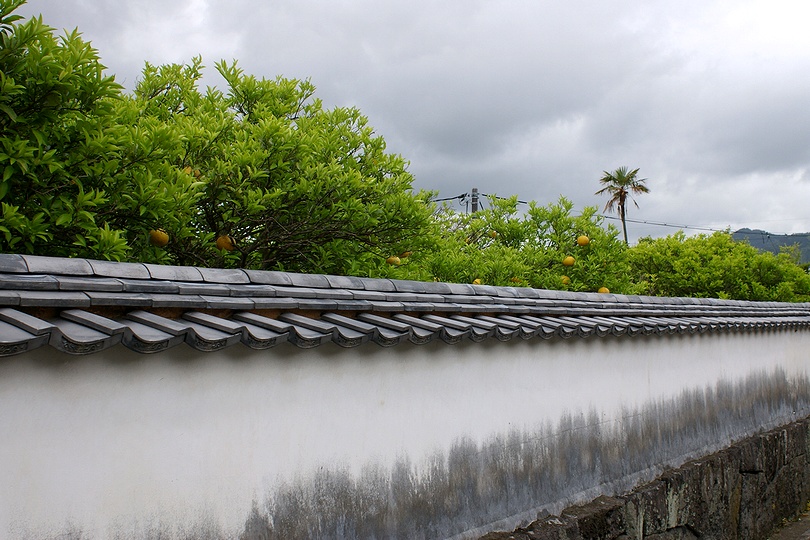
Hagi's old samurai quarter ("Horiuchi") preserves wooden walls, stone-paved alleys, and family residences exactly as the late-Edo era. The "Hagi Old Town" walking route includes Yoshida Shoin's schoolhouse ("Shoka Sonjuku" — UNESCO site), Ito Hirobumi's birthplace, and Hagi Castle ruins (now a park). ¥600 walking guide audio in English. Allow 3–4 hours. Best in early April for cherry blossoms.

萩の旧武家町「堀内」は木壁・石畳路地・武家屋敷を幕末そのままに保存。「萩城下町ウォーキング」コースは吉田松陰の松下村塾(ユネスコ世界遺産)、伊藤博文生家、萩城跡(現公園)など。英語音声ガイド600円。所要3〜4時間。4月初の桜が最高。

Yuda Tori-yaki + Kawara-soba Specialties

湯田のトリヤキ+瓦そば

Yamaguchi has two distinctive regional foods worth seeking. Yuda area: "Tori-yaki" — grilled chicken in a special Yamaguchi sauce (try at Yuda Onsen restaurants). Kawatana area: "Kawara-soba" — green tea soba noodles served on a hot roof tile (kawara), with toppings of beef, egg, and sweet broth. ¥1,500–¥2,500. Both are once-in-a-lifetime regional specialties.

山口には2つの地方料理:湯田エリアの「鶏焼き」(山口独特のタレで焼く鶏、湯田温泉の店で);川棚エリアの「瓦そば」(茶蕎麦を熱した瓦の上で供し、牛肉・卵・甘汁を載せる、1500〜2500円)。どちらも一生に一度の地方グルメ。

Shinkansen Connection at Shin-Yamaguchi

新山口新幹線駅からの接続

Shin-Yamaguchi Station (山陽新幹線停車駅) is the main gateway for Yamaguchi onsen. From there: Yuda (15 min bus), Nagato Yumoto (60 min by JR), Tawarayama (90 min via Nagato + bus), Kawatana/Hagi (90 min). The Hello Kitty Shinkansen runs occasionally Tokyo→Shin-Yamaguchi for novelty. From Tokyo: 4h 30min by Nozomi.

新山口駅(山陽新幹線停車駅)が山口温泉巡りの玄関口。そこから:湯田(バス15分)、長門湯本(JR60分)、俵山(長門経由+バス90分)、川棚・萩(90分)。ハローキティ新幹線が稀に東京→新山口を運行。東京からのぞみで4時間30分。

Travel Essentials

Plan your trip

旅の準備

Book a Ryokan

Use major Japanese travel platforms to find ryokan with private open-air baths, tattoo-friendly facilities, or vegan kaiseki meals.

eSIM & WiFi

Most onsen towns have spotty 4G coverage. A Japan eSIM or pocket WiFi keeps Google Maps and translation apps running smoothly.

Getting There

See each onsen listing above for access details. Most Yamaguchi onsen towns are reachable by JR trains, limited express, or highway bus; for remote springs, a rental car gives the most flexibility.

FAQ

Common questions

よくある質問

Yuda or Nagato Yumoto for first-time visitors?湯田と長門湯本、初訪問はどっち?

Yuda for convenience + variety (urban onsen, 30 ryokan options, walking to Yamaguchi City sites). Nagato Yumoto for atmosphere + architecture (small-scale, post-renewal beauty, walking the renovated riverside is itself the experience). With 2 nights, do one each. Yuda first for exploration, Nagato Yumoto second for slowing down.

便利・選択肢の多さなら湯田(都市温泉、30軒、山口市内史跡徒歩圏)。雰囲気・建築美なら長門湯本(小規模、再生後の美しさ、川辺の遊歩道散策そのものが体験)。2泊なら1晩ずつ。湯田で探索、長門湯本でゆっくり。

Are Yamaguchi onsen accessible without a car?車なしで山口温泉に行ける?

Yuda + Nagato Yumoto + Hagi are well-connected by JR and bus. Tawarayama requires a JR Nagato + bus (90 min total) but the connections work. Kawatana is on the JR Sanin Main Line. Some ryokan offer free pickup. For multi-onsen tour, rental car saves ~3 hours per day and gives mountain road access.

湯田・長門湯本・萩はJR+バスで十分。俵山はJR長門+バス(合計90分)で接続あり。川棚はJR山陰本線沿線。一部の旅館が無料送迎。複数温泉巡りならレンタカーで1日3時間節約+山道アクセス可能。

Best season for Yamaguchi onsen?山口温泉のベストシーズン?

November for Hagi and Tawarayama foliage. April for Hagi cherry blossoms (samurai-quarter cherry walks are iconic). January–February for "Tora-fugu" pufferfish kaiseki (especially Shimonoseki + Kawatana area — Yamaguchi is Japan's #1 fugu prefecture). May for pleasant Nagato seaside walking.

11月は萩・俵山の紅葉。4月は萩の桜(武家町の桜散策が絶景)。1〜2月はトラフグ会席(特に下関+川棚エリア、山口はフグ生産日本一)。5月は長門海岸の散策に快適。

Explore More

More in Chugoku region

中国地方の他の県も見る

← Back to Chugoku (中国)