 01
01Ginzan Onsen
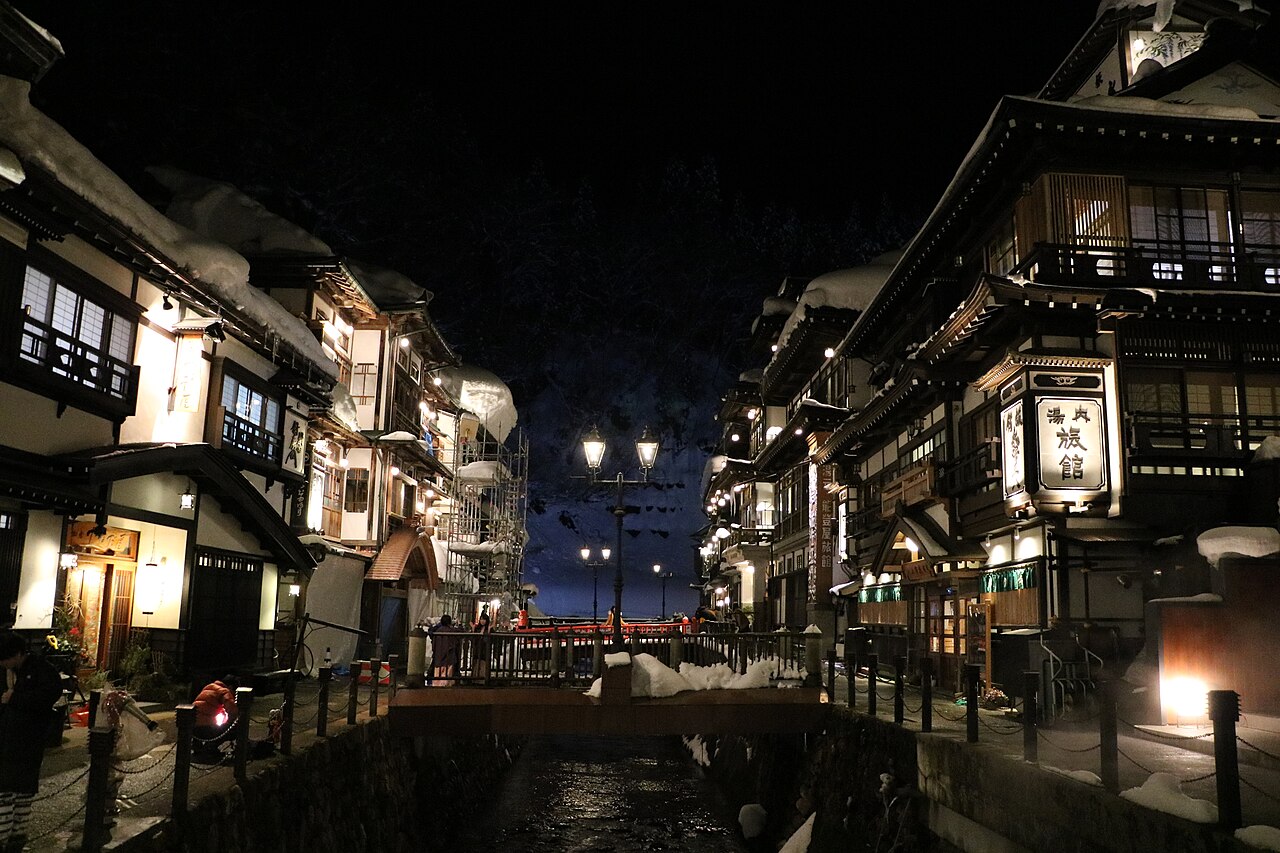
銀山温泉Taisho-era wooden ryokan glowing in the snow
大正ロマンの木造旅館街、雪に映える灯り
Ginzan is one of the most photographed onsen streets in Japan. It grew up beside the Nobesawa silver mine — among the country's richest in the early Edo period, and the source of its name ("silver mountain") — and when the silver gave out the town reinvented itself around the springs. A tight double row of three- and four-storey wooden ryokan from the Taisho era (1912–26) faces across a narrow river, and at dusk gas lamps flicker on along the cobblestones. The town was a location for the beloved 1983 TV drama "Oshin," and its snow-laden winter evenings have an atmosphere many compare to the bathhouse world of "Spirited Away."
銀山温泉は、日本で最も撮影される温泉街のひとつ。江戸初期に国内屈指とうたわれた銀鉱山「延沢銀山」のかたわらに発展し、その名(銀の山)もここに由来します。銀が尽きたのち、町は湯を中心に生まれ変わりました。川を挟んで大正期(1912〜26年)の木造3・4階建て旅館がぎっしりと向かい合い、夕暮れには石畳にガス灯がともります。NHK連続テレビ小説『おしん』(1983年)のロケ地でもあり、雪に包まれた冬の夜の風情は、しばしば「千と千尋の神隠し」の湯屋の世界になぞらえられます。
- Taisho-era wooden ryokan, almost unchanged since 1920s大正時代の木造旅館街がほぼ当時のまま
- Gas-lit cobblestone street at dusk夕暮れのガス灯と石畳の温泉街
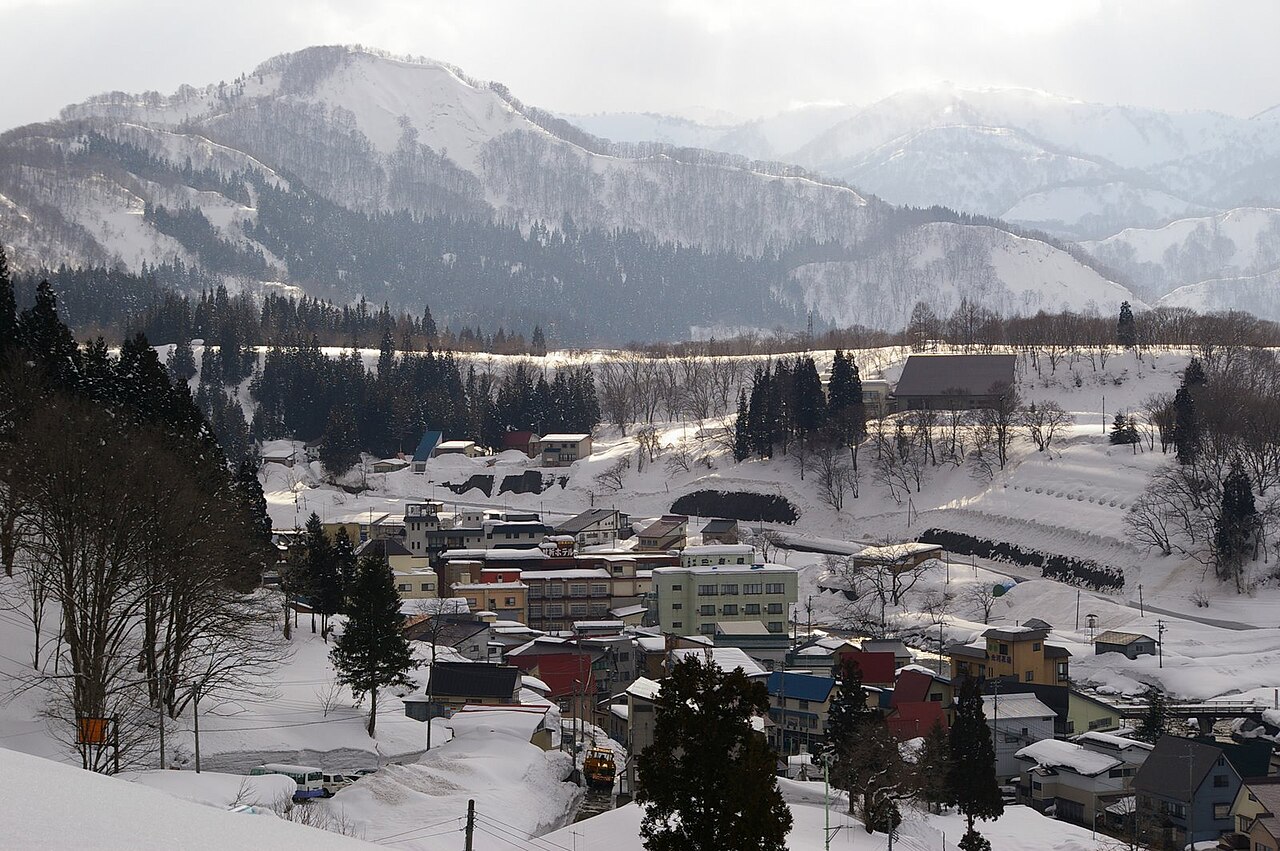
- Winter snow scenes are world-famous冬の雪景色は世界中で有名
Note: Ryokan book out 6–12 months ahead for winter weekends. Day trips are easier but you miss the night atmosphere./ 冬の週末は半年〜1年前から満室。日帰りは可能だが、夜の灯り景色を見るなら宿泊推奨。
Hours and prices vary — always confirm on the official site before visiting.
営業時間・料金は変動するため、必ず公式サイトでご確認ください。