Tottori · Misasa Radium Spring + Mt. Daisen Onsen / 鳥取 / 世界屈指のラジウム泉「三朝」と大山の湯

Tottori Onsen Guide

Top hot springs, ryokan, and day-use baths in Tottori — bilingual guide for travelers.

鳥取のおすすめ温泉地・温泉宿・日帰り温泉を厳選紹介。

Tottori is the least-populous prefecture in Japan, but its onsen include one of the world's most therapeutically prized: Misasa Onsen — among the highest natural radium-content waters on Earth, and a "hormesis effect" (mild radiation stimulation) long valued in the local bathing-cure tradition. Misasa's riverside open-air bath "Kawara-buro" is free, mixed-gender, and active 24 hours. On the Sea of Japan coast, Kaike Onsen offers beach + Mt. Daisen alpine views. Iwai Onsen is the oldest in the San'in region. Add Tottori Sand Dunes, Mt. Daisen (the Chugoku region's highest peak), and the Tottori Castle ruins, and the prefecture offers an under-the-radar but unique onsen circuit. From Osaka: Misasa 3h via JR Limited Express Super Hakuto.

鳥取県は人口最少県ながら、温泉ラインナップには世界屈指の名湯が並びます。三朝温泉は世界有数のラジウム含有量を誇る放射能泉で、「ホルミシス効果」(微弱放射線の刺激)が注目され、古くから湯治の名湯として親しまれてきました。三朝の川辺の無料・混浴・24時間営業の野湯「河原風呂」が看板。日本海岸の皆生温泉は浜辺と大山連峰のビュー、岩井温泉は山陰最古の名湯。鳥取砂丘、中国地方最高峰の大山、鳥取城址と、地味だが独自の温泉巡り県。大阪から特急スーパーはくとで三朝まで3時間。

5 Top Onsen in Tottori

Where to soak

鳥取のおすすめ温泉地・温泉宿 5選

Misasa Onsen (三朝温泉)01

Misasa Onsen

三朝温泉

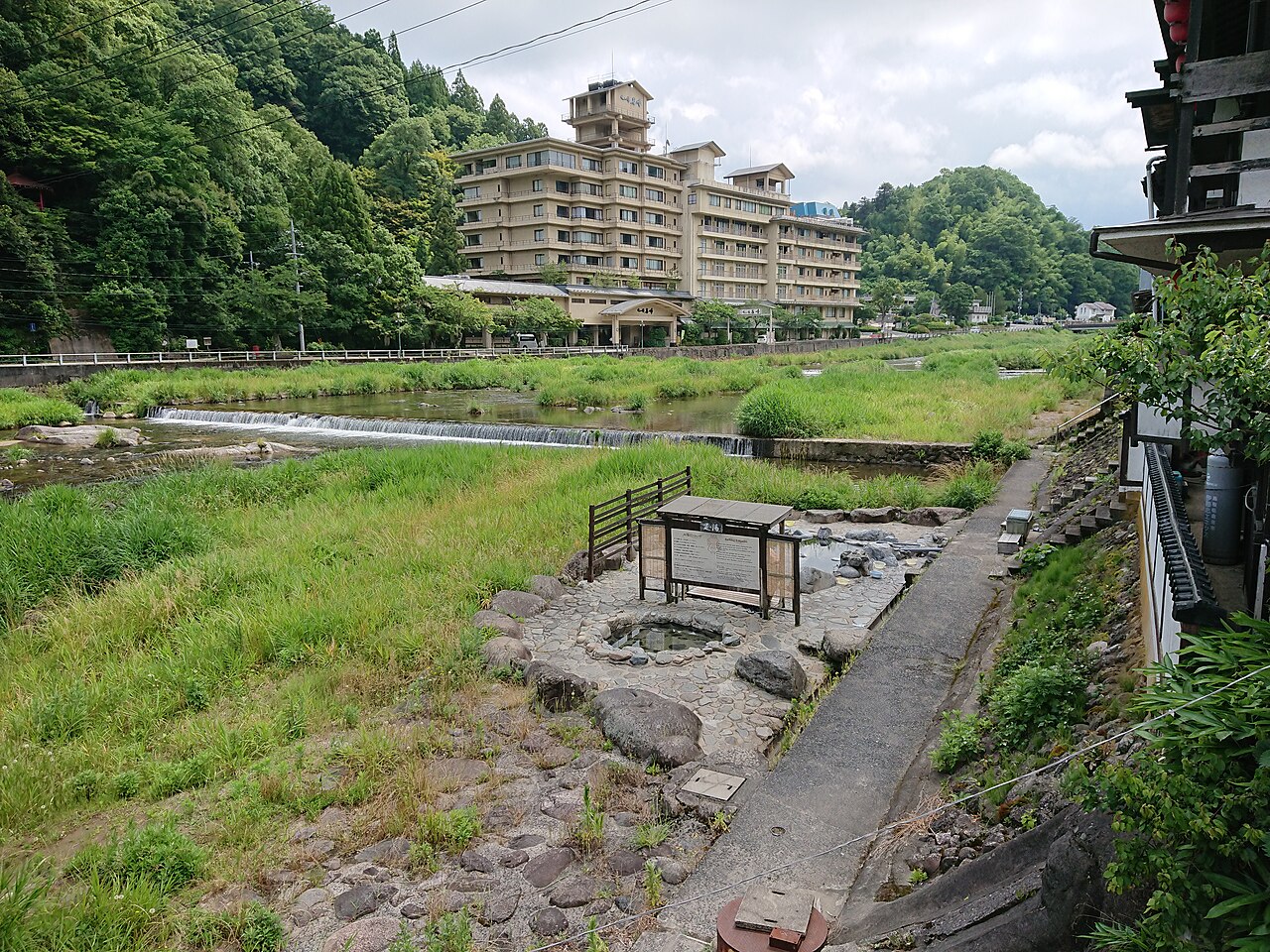
World's top radium spring — "Kawara-buro" free riverside bath

世界屈指のラジウム泉、無料河原風呂

SpringRadium-bearing radon hot spring含ラジウム放射能泉
Fromfrom ¥22,000 / night
SourceFree-flow (kakenagashi) per public info/ 源泉かけ流し(公式情報)

Misasa Onsen is recognized internationally for its exceptionally high natural radium content — among the world's premier radon-bearing waters. The "hormesis effect" (the theory that low-dose radiation stimulates the body's repair mechanisms) is the subject of ongoing scientific study at Misasa's on-site research center. The town's spring legend dates to 1164 (late Heian period); the name (read "Misasa") refers to a tradition that bathing here over three mornings restores vitality. The defining feature is "Kawara-buro" — a free open-air riverside bath built into the Mitoku River, open 24 hours, mixed-gender, no shower facilities. About 25 ryokan along the river. From Kurayoshi Station: 25 min by bus.

  • Among the world's premier radium-content springs
  • "Kawara-buro" — free 24-hour mixed-gender riverside bath
  • "Hormesis effect" research center on-site

Hours and prices vary — always confirm on the official site before visiting.
営業時間・料金は変動するため、必ず公式サイトでご確認ください。
Kaike Onsen (皆生温泉)02

Kaike Onsen

皆生温泉

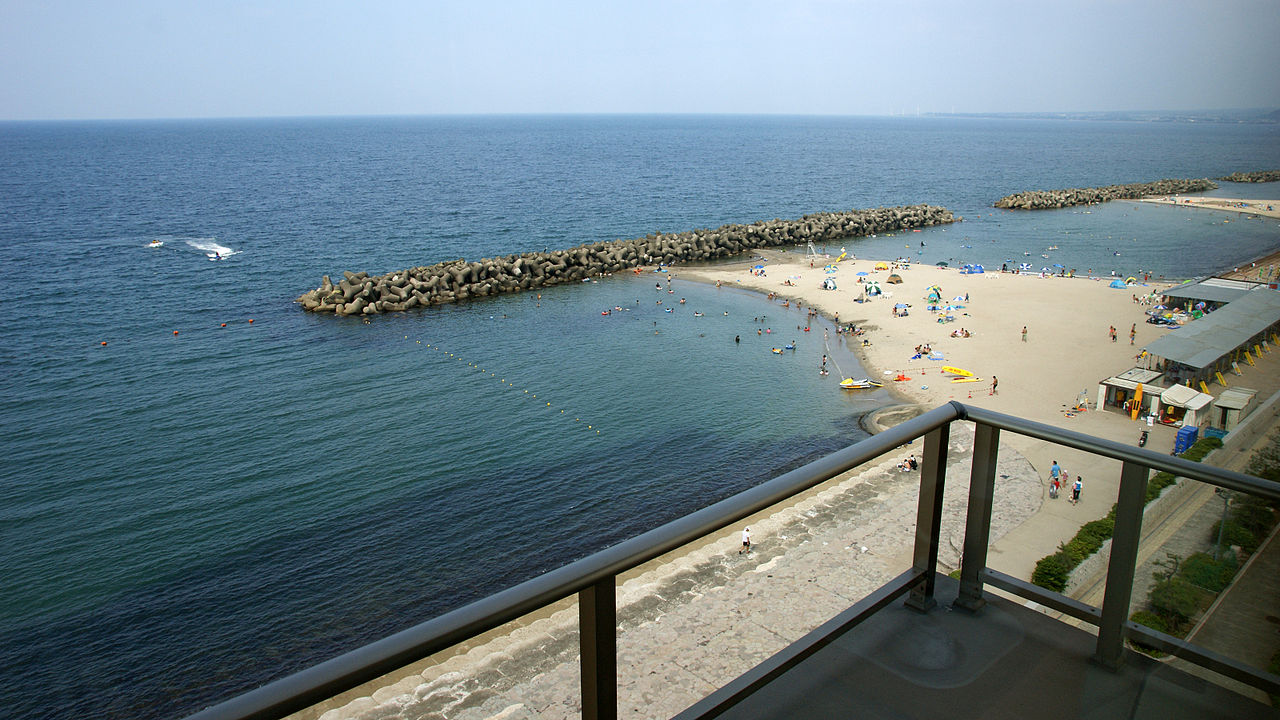
Sea of Japan beach + Mt. Daisen alpine view onsen

日本海の浜辺と大山連峰のビュー

SpringSodium chloride spring塩化物泉(食塩泉)
Fromfrom ¥18,000 / night
SourceFree-flow (kakenagashi) per public info/ 源泉かけ流し(公式情報)

Kaike Onsen sits on the Sea of Japan coast in western Tottori, with a 1km white-sand beach (summer swimming Mecca for Western Japan) and direct views of the 1,729m Mt. Daisen (the Chugoku region's tallest peak, called the "Hoki Fuji" for its mountain-Fuji silhouette). The hot spring was discovered in 1900 from sea-bottom drilling. About 20 large hotels and resorts line the coast — making it one of Japan's biggest "resort-style" onsen districts. The waters are sodium chloride (sea-salt) type, ideal for soaking after summer swimming. From Yonago Station: 15 min by bus.

  • 1km white-sand beach — top Western Japan swimming spot
  • Mt. Daisen "Hoki Fuji" view — Chugoku's highest peak
  • Sea-bottom origin spring (1900 discovery)

Hours and prices vary — always confirm on the official site before visiting.
営業時間・料金は変動するため、必ず公式サイトでご確認ください。
Iwai Onsen (岩井温泉)03

Iwai Onsen

岩井温泉

San'in's oldest onsen + "Yu-Kaburi-Uta" folk-song bathing

山陰最古の温泉、「湯かむり唄」の伝統入浴

SpringSodium chloride sulfate spring塩化物・硫酸塩泉
Fromfrom ¥16,000 / night
SourceFree-flow (kakenagashi) per public info/ 源泉かけ流し(公式情報)

Iwai Onsen is the oldest hot spring in the San'in region (Tottori + Shimane area), with a Heian-period origin legend. The town has only 3 traditional ryokan operating today, but its preserved Showa-era atmosphere makes it a quiet retreat. The signature cultural practice is "Yu-Kaburi-Uta" (湯かむり唄) — the folk songs traditionally sung while pouring hot water on one's head before entering the bath, a practice unique to this region. Annual festivals showcase the ritual. The hot spring is chloride sulfate type. From Iwami Station: 5 min by taxi.

  • San'in's oldest onsen — Heian-period origin
  • "Yu-Kaburi-Uta" folk-song bathing ritual
  • Only 3 traditional ryokan — true hidden onsen

Hours and prices vary — always confirm on the official site before visiting.
営業時間・料金は変動するため、必ず公式サイトでご確認ください。
Hawai Onsen (はわい温泉)04

Hawai Onsen

はわい温泉

Lake Togo onsen — name twin to the Hawaiian Islands

東郷湖畔の温泉、ハワイと友好交流

SpringSodium chloride spring塩化物泉
Fromfrom ¥16,000 / night
SourceFree-flow (kakenagashi) per public info/ 源泉かけ流し(公式情報)

Hawai Onsen (はわい — written in hiragana, pronounced "Ha-Wa-I") sits on the southern shore of Lake Togo. The name has no etymological connection to Hawaii — it comes from an old local place name — but the coincidence has fostered friendship exchanges with Hawaii. The 5km Lake Togo offers swan boats, fishing, and footbath promenades. About 12 ryokan along the lake. The hot spring is sodium chloride type. Combined with neighboring Togo Onsen (across the lake) for a "two-shore" lake onsen experience. From Kurayoshi: 20 min by bus.

  • Lake Togo southern shore — swan boats + lakeside walks
  • Friendship exchange with Hawaii
  • Pair with Togo Onsen across the lake

Hours and prices vary — always confirm on the official site before visiting.
営業時間・料金は変動するため、必ず公式サイトでご確認ください。

Daisen-Tomi Onsen (大山富士温泉)05

Daisen-Tomi Onsen

大山富士温泉

Mt. Daisen alpine base — West Japan's highest peak

大山登山の拠点、中国地方最高峰の麓

SpringAlkaline simple spring単純温泉(アルカリ性)
Fromfrom ¥16,000 / night

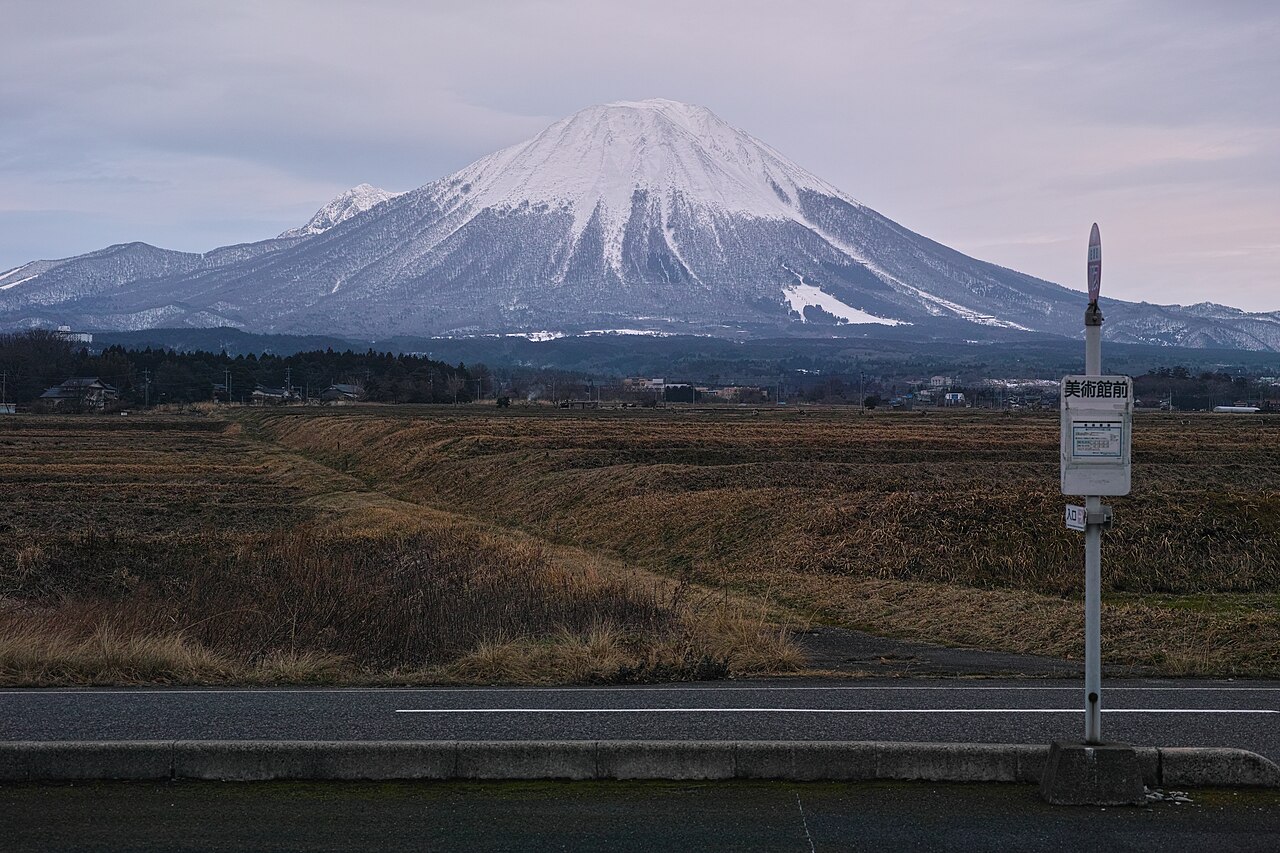
Daisen-Tomi Onsen serves as the alpine base for Mt. Daisen — the 1,729m volcanic peak that is the Chugoku region's highest mountain and the central feature of Daisen-Oki National Park. The mountain is locally called "Hoki Fuji" for its perfect conical Fuji-like silhouette when viewed from the north. The onsen district is small (4–5 ryokan), serving primarily hikers (summer) and skiers (winter). The Daisen Mountain Stream sushi specialty and "Daisen yogurt" are local must-tries. From Yonago: 50 min by bus.

  • Base for Mt. Daisen — Chugoku's highest peak
  • "Hoki Fuji" — perfect conical mountain from north view
  • Hikers + skiers two-season destination

Hours and prices vary — always confirm on the official site before visiting.
営業時間・料金は変動するため、必ず公式サイトでご確認ください。

Insider Tips for Tottori

Know before you go

鳥取の旅で知っておきたい5つのこと

Misasa Kawara-buro — Towel-Wrap Allowed

三朝の河原風呂、タオル巻きOK

Misasa's "Kawara-buro" is the most famous free onsen in Tottori — mixed-gender, 24-hour, riverside, no walls. Towel-wrap bathing is fully accepted (essential for most visitors). Best times: pre-dawn for atmosphere, snow days in winter for the iconic photo. No shower facilities — rinse at your ryokan. Bring a small towel from your room.

三朝の「河原風呂」は鳥取最有名の無料野湯——混浴・24時間・川辺・壁なし。タオル巻き入浴OK(多くの観光客に必須)。最高の時間:夜明け前(雰囲気)と冬の雪の日(絶景写真)。シャワー設備なし——旅館で身体を洗う。客室から小タオル持参。

Tottori Sand Dunes Day Trip

鳥取砂丘の日帰り観光

Japan's largest sand dunes (16 km long, up to 50m tall) are just east of Tottori City — a unique seaside Sahara-like landscape. Camel rides, sand-board rentals, and the "Sand Museum" make it a 3–4 hour visit. Combine with Iwai or Misasa Onsen stay. Best photography: late afternoon for dramatic shadows. From Tottori Station: 20 min by bus.

日本最大の鳥取砂丘(16km長、最大50m高)は鳥取市東部にあり、海岸沿いの「サハラ風景観」が独特。ラクダ乗り、サンドボードレンタル、砂の美術館で3〜4時間。岩井・三朝温泉と組合せ。撮影最適:午後遅くの劇的な影。鳥取駅からバスで20分。

Hormesis Therapy at Misasa

三朝のホルミシス療法

Misasa's radon-rich waters are the subject of legitimate medical research at the on-site "Misasa Medical Center" (Okayama University Hospital branch). Day-visitors can tour the facility (free, 9am–5pm) including the "Radon Inhalation Rooms" used in respiratory research. The science remains debated, but the tradition of "yuji" (recuperative stays) is 1,200+ years strong. Some ryokan offer 3-day/7-day yuji packages.

三朝のラドンを多く含む湯は、現地の「三朝医療センター」(岡山大学病院分院)で正当な医学研究対象。日帰り客も無料で施設見学可能(9〜17時)、呼吸器疾患の研究に使われる「ラドン吸入室」も見学可。科学的議論はあるが、「湯治」の伝統は1200年以上続く。3日・7日の湯治プランを提供する旅館も。

Mt. Daisen Hike + Onsen

大山登山+温泉

Mt. Daisen (1,729m) is the easiest West Japan "1,700m+ summit" hike — well-maintained paths, 5–6h round trip from the Daisenji Temple trailhead. Summer (June–October) is the climbing season. Foliage peak late October. Combine with Daisen-Tomi or Kaike Onsen for a "post-hike soak" experience. Mountain hut overnight stay also available for sunrise summit attempts.

大山(1729m)は西日本で最も登りやすい「1700m級山頂」——整備された道、大山寺登山口から往復5〜6時間。夏(6〜10月)が登山シーズン。紅葉ピーク10月下旬。大山富士温泉や皆生温泉と組合せて「登山後の湯」体験。山小屋泊で日の出登山も可能。

Tottori "Matsuba-gani" + "Hatahata"

鳥取の松葉ガニ+ハタハタ

Tottori is one of the top winter seafood destinations in Western Japan. November 6 to March 20 brings "Matsuba-gani" snow crab (Tottori-tagged, ¥30,000–¥60,000 per crab kaiseki). November to February is "Hatahata" (sandfish) season — a regional delicacy served grilled or in hotpot. Many Kaike/Hawai onsen ryokan offer winter kaiseki menus around these.

鳥取は西日本屈指の冬の海鮮地。11月6日〜3月20日は「松葉ガニ」(鳥取タグ付き、カニ会席3〜6万円/杯)。11〜2月は「ハタハタ」(地元名物、塩焼きか鍋)。皆生・はわい温泉の多くの旅館が冬の会席メニューでこれらを提供。

Travel Essentials

Plan your trip

旅の準備

Book a Ryokan

Use major Japanese travel platforms to find ryokan with private open-air baths, tattoo-friendly facilities, or vegan kaiseki meals.

eSIM & WiFi

Most onsen towns have spotty 4G coverage. A Japan eSIM or pocket WiFi keeps Google Maps and translation apps running smoothly.

Getting There

See each onsen listing above for access details. Most Tottori onsen towns are reachable by JR trains, limited express, or highway bus; for remote springs, a rental car gives the most flexibility.

FAQ

Common questions

よくある質問

Is Misasa's radium safe to bathe in?三朝のラジウム泉、入って大丈夫?

The waters are classified as "radium hot spring" but emit only low-dose ionizing radiation — well below medical or regulatory concern thresholds. The "hormesis effect" theory suggests low doses may even be beneficial, though this remains scientifically debated. Pregnant women and infants are traditionally advised limited exposure (1–2 short baths) but Misasa has been visited for 1,200 years without recorded health issues. Drink the spring water at your own discretion.

湯は「ラジウム放射能泉」に分類されますが、放射線量は医学・規制基準を大きく下回る微弱レベル。「ホルミシス効果」説では微量の放射線が体に良い影響を与えると主張されますが、科学的評価は定まっていません。妊婦と乳児には伝統的に短時間入浴(1〜2回)が推奨されますが、三朝は1200年来訪されながら健康被害の記録はなし。飲泉は各自の判断で。

Tottori Sand Dunes — busy times to avoid?鳥取砂丘の混雑時間は?

August (summer holidays) and Golden Week (late April–early May) are the busiest — 50,000+ visitors per day. Morning weekdays in October–November are quietest (and offer the best foliage backdrop). Camel rides have 30–60 min waits during peak season. ¥1,500 for a 5-min ride.

8月(夏休み)とGW(4月末〜5月初)が最混雑——1日5万人以上。10〜11月の平日朝が最も空いてる(紅葉背景も良好)。ラクダ乗りは繁忙期30〜60分待ち、5分1500円。

Best season for Tottori onsen?鳥取温泉のベストシーズンは?

November–February for Matsuba-gani crab + Hatahata sandfish kaiseki — the gastronomic peak. October for Daisen foliage hiking + onsen. June–August for Kaike beach swimming. May for Tottori Sand Dunes pleasant temperatures (avoid July–August heat).

11〜2月は松葉ガニ+ハタハタの会席シーズン——美食の最盛期。10月は大山紅葉登山+温泉。6〜8月は皆生海岸の海水浴。5月は鳥取砂丘の快適な気温(7〜8月の暑さ避ける)。

Explore More

More in Chugoku region

中国地方の他の県も見る

← Back to Chugoku (中国)