Hiroshima · Miyahama (Across from Miyajima) + Tomonoura Port / 広島 / 宮島対岸の宮浜と万葉の港町・鞆の浦

Hiroshima Onsen Guide

Top hot springs, ryokan, and day-use baths in Hiroshima — bilingual guide for travelers.

広島のおすすめ温泉地・温泉宿・日帰り温泉を厳選紹介。

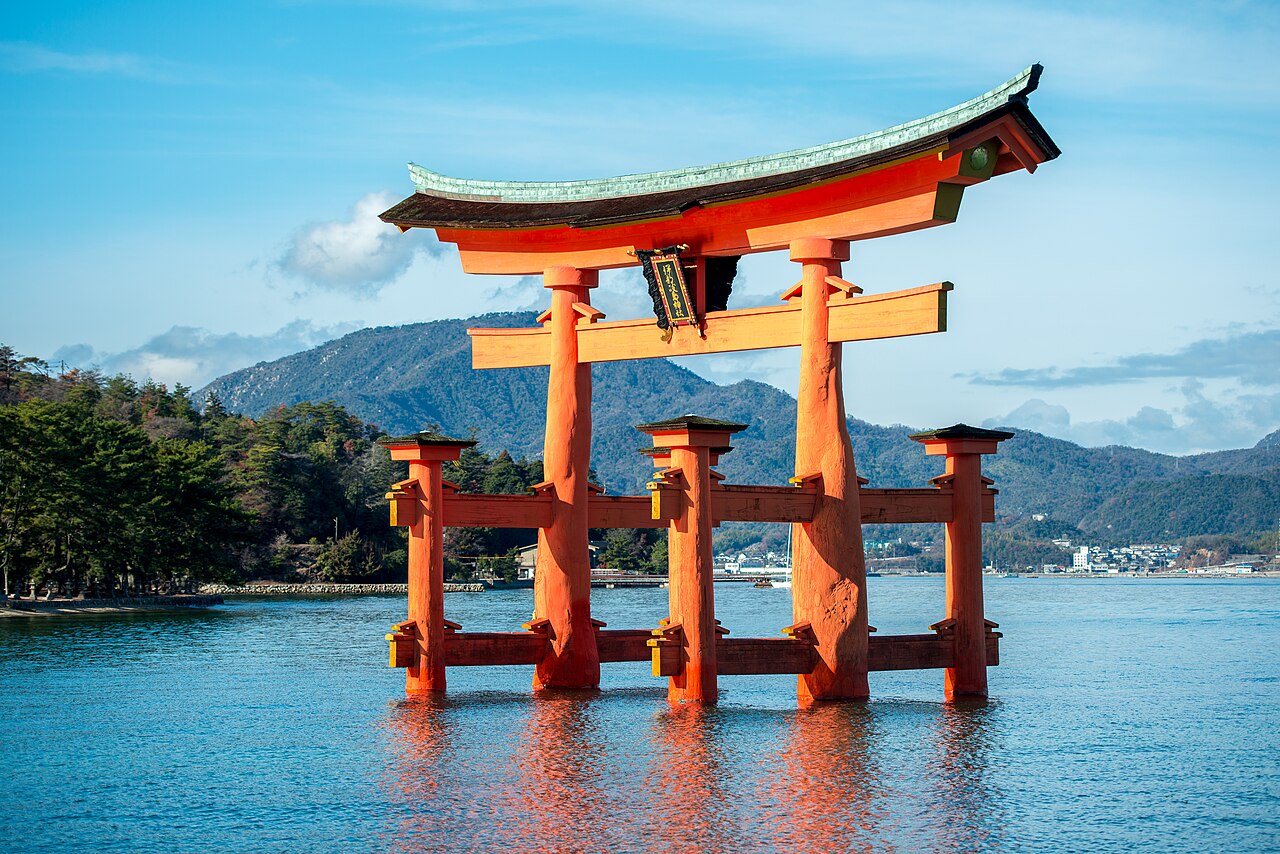
Hiroshima is best known for Miyajima Shrine and the Peace Memorial Park — but the prefecture also offers a coastal onsen geography defined by its Seto Inland Sea position. Miyahama Onsen sits directly across from Itsukushima Shrine (the iconic "floating torii"), making it the closest onsen to UNESCO World Heritage Miyajima. Tomonoura, the historic 1,400-year-old port town that inspired Studio Ghibli's "Ponyo," has its own coastal onsen. Inland, Kimita and Yusaka offer gorge and mountain settings. Hiroshima's onsen culture is more modern than ancient — most springs were developed post-1950 — but the scenery, history, and cuisine (oysters in winter, momiji manju year-round) make it a complete travel destination. From Hiroshima Station: Miyahama 30 min, Tomonoura 90 min.

広島県は宮島と原爆ドーム・平和公園で世界的に知られますが、瀬戸内海立地を活かした海岸温泉地理も独自に展開。宮浜温泉は嚴島神社(海上の朱塗り大鳥居の世界遺産)の対岸に位置し、ユネスコ世界遺産宮島から最も近い温泉。鞆の浦温泉は1400年の歴史を持つ港町で、ジブリ「崖の上のポニョ」の舞台モデルとして世界的に知られる。内陸の君田・湯坂は渓谷と山の佇まい。広島温泉文化は古来というより近代発展型(多くが1950年以降の開発)ですが、景色・歴史・グルメ(冬の牡蠣、通年のもみじ饅頭)が完成度の高い旅行地に。広島駅から宮浜まで30分、鞆の浦まで90分。

5 Top Onsen in Hiroshima

Where to soak

広島のおすすめ温泉地・温泉宿 5選

Miyahama Onsen (宮浜温泉)01

Miyahama Onsen

宮浜温泉

Closest onsen to UNESCO Miyajima Shrine

世界遺産・宮島対岸の最寄り温泉

SpringRadon spring放射能泉(ラドン)
Fromfrom ¥22,000 / night

Miyahama Onsen sits on the coast of Hatsukaichi City, directly across from Miyajima Island — the home of Itsukushima Shrine, with its iconic vermilion "floating" torii gate (UNESCO World Heritage 1996). About 8 ryokan and hotels along the coast offer baths with views of the torii in the distance. The hot springs were developed in 1964 from deep drilling. The ryokan ferry pier connects to Miyajima in 10 min. Combine with Hiroshima Peace Park (40 min) for a 2-day Hiroshima essentials tour. Local cuisine features Seto Inland Sea oysters (Nov–Feb) and "Anago" (sea eel).

  • Closest onsen to UNESCO Itsukushima Shrine
  • Bath views of distant "floating torii"
  • 10-min ferry pier to Miyajima Island

Hours and prices vary — always confirm on the official site before visiting.
営業時間・料金は変動するため、必ず公式サイトでご確認ください。
Tomonoura Onsen (鞆の浦温泉)02

Tomonoura Onsen

鞆の浦温泉

Studio Ghibli's "Ponyo" port town + 1,400 years

ジブリ「崖の上のポニョ」舞台モデルの古港町

SpringSodium chloride spring塩化物泉
Fromfrom ¥20,000 / night
SourceFree-flow (kakenagashi) per public info/ 源泉かけ流し(公式情報)

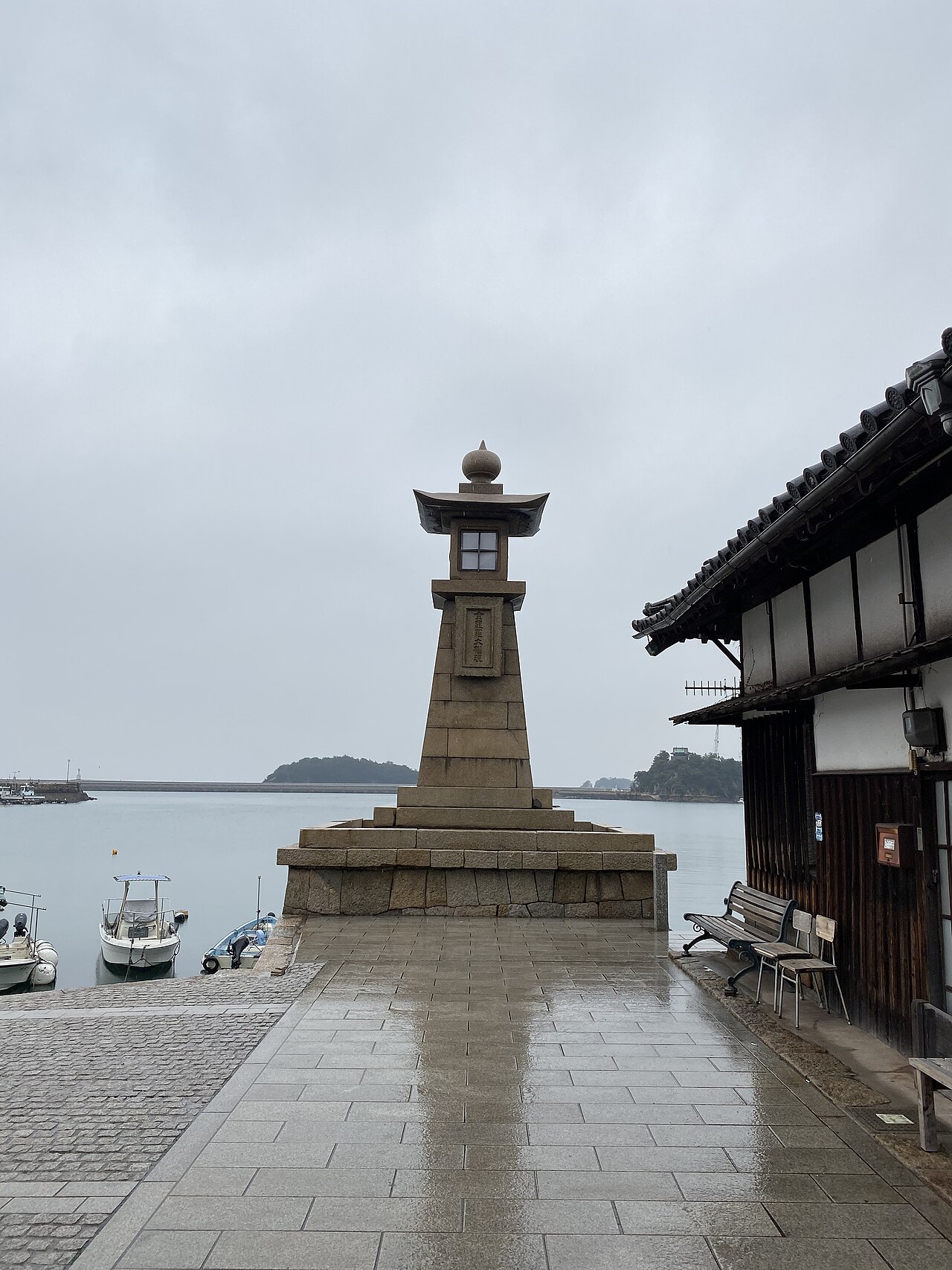
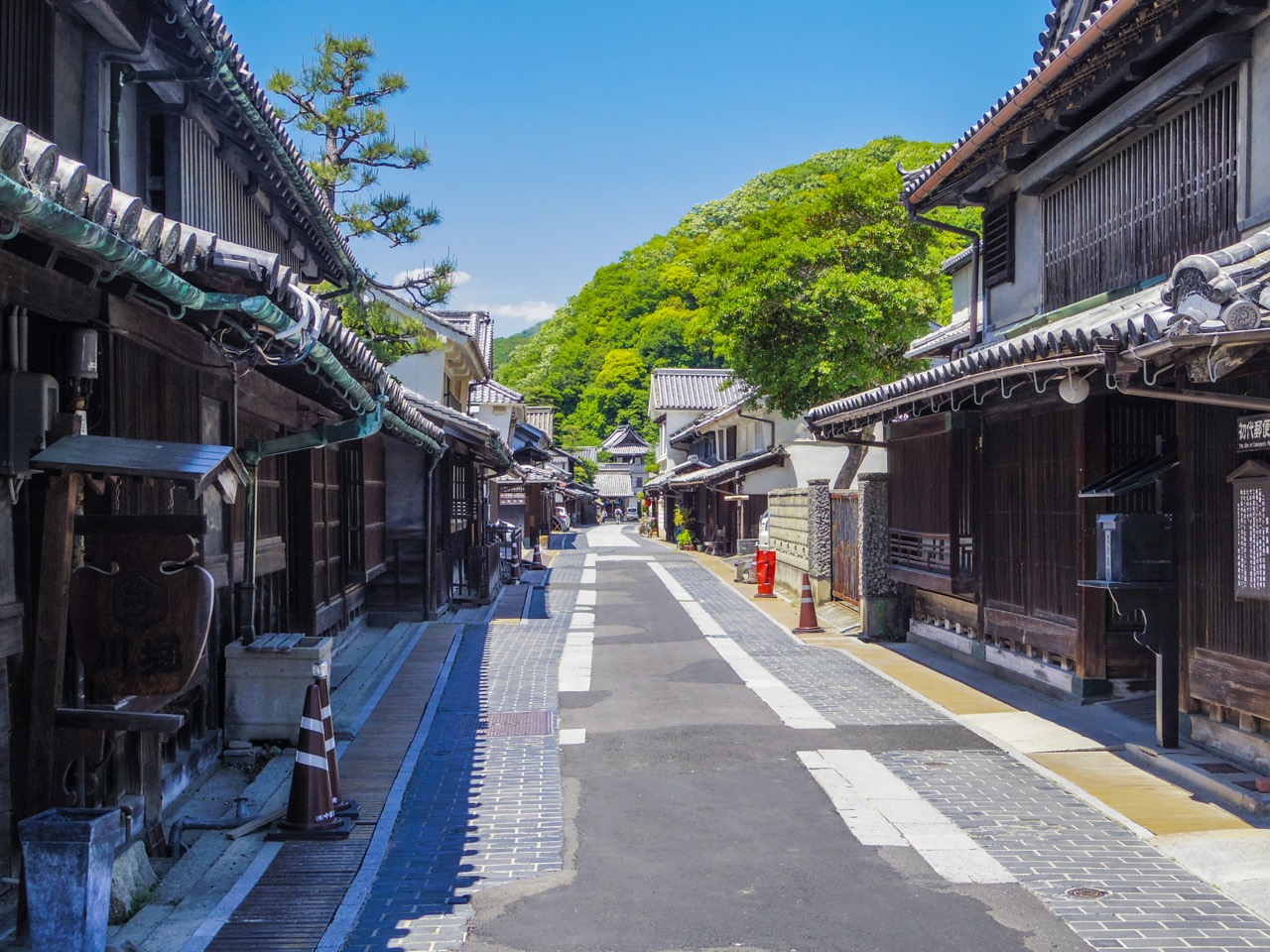
Tomonoura is a remarkably preserved port town on the Seto Inland Sea coast of Fukuyama City, dating back 1,400 years as a "shio-machi" (tide-waiting port) where ships waited for favorable currents to cross the Inland Sea. The town's perfectly preserved Edo-era streetscape — wooden warehouses, stone-paved harbor walls, and the iconic "Joya-to" lantern (1859) — was a primary visual inspiration for Hayao Miyazaki's "Ponyo on the Cliff by the Sea" (2008). Miyazaki actually lived in Tomonoura for two months researching the film. About 5 ryokan offer onsen baths with harbor views. The "Houmeishu" — a 350-year-old medicinal wine — is the local specialty drink.

  • Studio Ghibli "Ponyo" visual inspiration town
  • 1,400-year preserved "shio-machi" tide-waiting port
  • 1859 "Joya-to" iconic harbor lantern

Hours and prices vary — always confirm on the official site before visiting.
営業時間・料金は変動するため、必ず公式サイトでご確認ください。
Yusaka Onsen (湯坂温泉郷)03

Yusaka Onsen

湯坂温泉郷

Fukuyama mountain valley + historic family-run ryokan

福山の山あい、老舗の残る温泉郷

SpringAlkaline simple spring単純温泉(アルカリ性)
Fromfrom ¥14,000 / night
SourceFree-flow (kakenagashi) per public info/ 源泉かけ流し(公式情報)

Yusaka Onsen-go lies in the mountain valley of Fukuyama City's northern district, dating to the 16th century when local warriors used it as a healing retreat. The cluster has about 8 traditional ryokan operating, several long-established family-run inns. The hot springs are alkaline simple type, naturally bubbling from rocks. The setting is quiet rural — terraced rice paddies, bamboo forests, and small mountain shrines surround the bath houses. Best for travelers seeking authentic countryside ryokan experience away from international tourist routes. From Fukuyama Station: 40 min by bus.

  • 16th-century samurai-era healing valley
  • Long-established family-run ryokan
  • Quiet rural setting away from tourist routes

Hours and prices vary — always confirm on the official site before visiting.
営業時間・料金は変動するため、必ず公式サイトでご確認ください。
Kimita Onsen (君田温泉)04

Kimita Onsen

君田温泉

Miyoshi highland onsen + Bingo region's "ne-mochi" sticky rice

三次の高原温泉と備後地方のねもち

SpringAlkaline hydrogen carbonate spring炭酸水素塩泉(アルカリ性)
Fromfrom ¥14,000 / night
SourceFree-flow (kakenagashi) per public info/ 源泉かけ流し(公式情報)

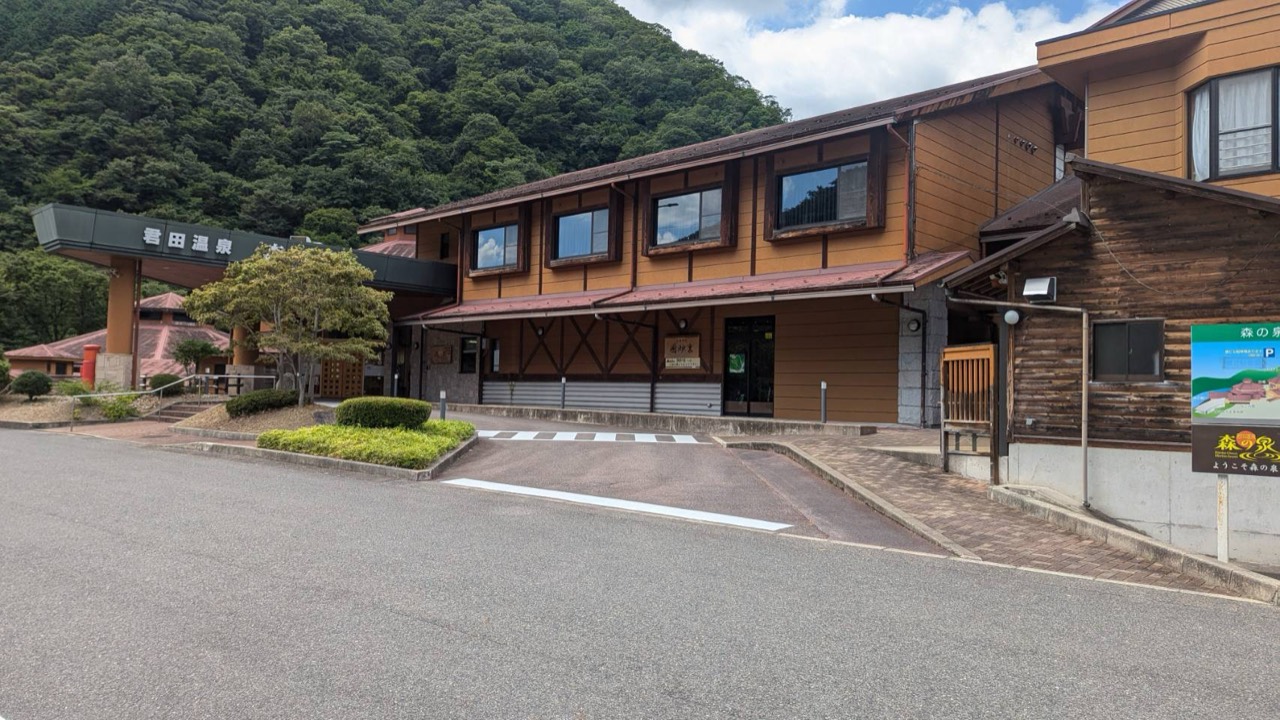
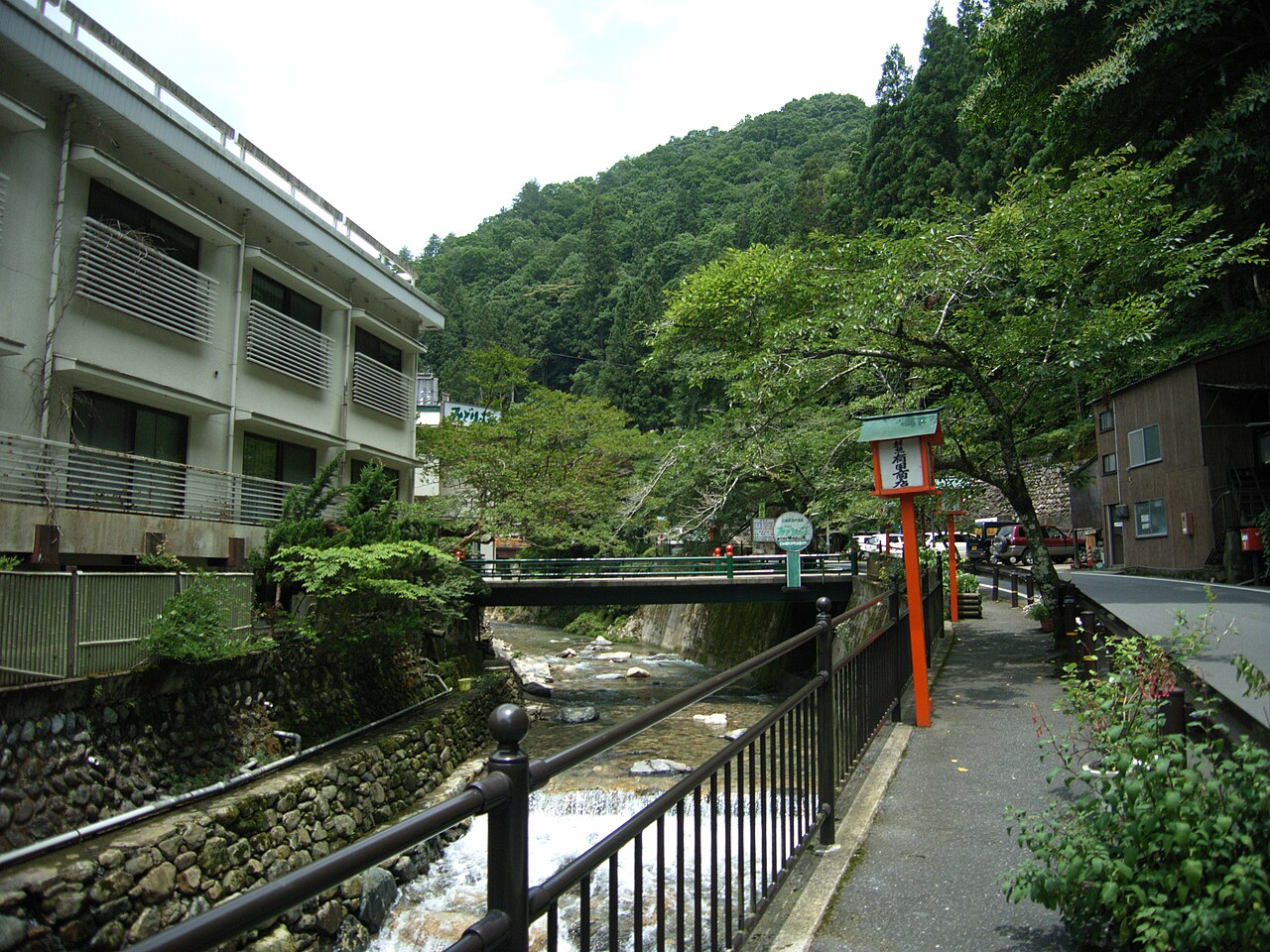
Kimita Onsen sits in the highlands of Miyoshi City in north-central Hiroshima, with views across the surrounding river valley. The town developed as a small ryokan cluster in the late 1990s. The hot springs are alkaline carbonate type, gentle on skin. The area is famous for "ne-mochi" — a regional sticky rice specialty made by pounding glutinous rice with bamboo stems (creating a uniquely chewy texture). Combine with the Miyoshi Mononoke Museum (a yokai art museum) and the summer cormorant fishing (ukai) on the Basen River. From Hiroshima City: 90 min by bus.

  • Miyoshi highland river-valley views
  • Local "ne-mochi" sticky rice specialty
  • Miyoshi Mononoke (yokai) Museum nearby

Hours and prices vary — always confirm on the official site before visiting.
営業時間・料金は変動するため、必ず公式サイトでご確認ください。

Yuki Onsen (湯来温泉)05

Yuki Onsen

湯来温泉

Hiroshima City's closest mountain onsen — 60 min

広島市から60分の山の湯

SpringAlkaline simple spring単純温泉(アルカリ性)
Fromfrom ¥12,000 / night
SourceFree-flow (kakenagashi) per public info/ 源泉かけ流し(公式情報)

Yuki Onsen is Hiroshima City's "back-yard mountain onsen" — just 60 minutes from downtown by bus or car, providing a quick nature escape. The town developed in the 19th century as a "Hiroshima vacation onsen" with about 6 ryokan and minshuku in a forested river valley. The hot springs are alkaline simple type. Local activities include river fishing, hiking the Yuki area trails, and seasonal "shojin-ryori" Buddhist vegetarian dining (the area has several active Zen temples). From Hiroshima Station: 60 min by Hiroshima Bus.

  • 60 min from Hiroshima Station — easiest nature escape
  • Forest river valley + active Zen temples nearby
  • Authentic shojin-ryori Buddhist vegetarian dining

Hours and prices vary — always confirm on the official site before visiting.
営業時間・料金は変動するため、必ず公式サイトでご確認ください。

Insider Tips for Hiroshima

Know before you go

広島の旅で知っておきたい5つのこと

Miyajima High Tide + Floating Torii

宮島は満潮時に「海上の鳥居」になる

Itsukushima Shrine's iconic torii gate appears to float on water only at high tide — at low tide you can walk to it on exposed sand. Check the daily tide table; many Miyahama Onsen ryokan post it at reception. Best photos: high tide + clear sky, ideally with the morning sun rising behind the torii (east-facing). Sunset is also spectacular. Stay 2 nights to catch both tide states.

嚴島神社の鳥居が「海上に浮かぶ」のは満潮時のみ——干潮時は砂地を歩いて鳥居まで行けます。当日の潮汐表確認推奨、宮浜温泉の多くの旅館が受付に掲示。最高の撮影タイム:満潮+晴天、できれば朝日が鳥居の背景に上がる時(東向き)。夕日も絶景。2泊して両方の潮状態を狙う。

Tomonoura Ponyo Pilgrimage

鞆の浦「ポニョ」聖地巡礼

Ghibli fans can identify many "Ponyo" scenes in Tomonoura. The cliff house Sosuke and Lisa live in is modeled on Tomonoura's hilltop houses (climb to "Iroha-maru Museum" hill for similar views). The "Joya-to" lantern appears in establishing shots. The "Fukuzenji Temple" — said to have inspired the "Children's Home" scene — is open for visits. The 1859 lantern is the most photographed spot. Allow a half-day for the walking pilgrimage.

ジブリファンは鞆の浦で多くの「ポニョ」シーンを発見可能。宗介とリサが住む崖の家は鞆の浦丘上の家がモデル(「いろは丸記念館」の丘に登れば類似の景色)。「常夜燈」は確立シーンに登場。「福禅寺」(保育園シーンのモデルとされる)は見学可能。1859年の常夜燈が最も撮影されるスポット。徒歩巡礼に半日。

Hiroshima Oyster Season — November to February

広島の牡蠣シーズンは11〜2月

Hiroshima Prefecture produces 60% of Japan's farmed oysters. November–February is peak — Miyahama and Tomonoura ryokan offer "kaki-zukushi" (oyster kaiseki) meals featuring 6–10 preparation styles (raw, grilled, hotpot, fried, etc.). ¥6,000–¥15,000 per person for full course. Mid-January oysters are the largest and creamiest. Hiroshima oyster + onsen is one of Japan's great winter combinations.

広島県は日本の養殖牡蠣の60%を生産。11〜2月がピーク——宮浜・鞆の浦の旅館で「牡蠣づくし会席」(生・焼き・鍋・フライなど6〜10の調理法)を提供、1人6000〜15000円。1月中旬の牡蠣は最大かつクリーミー。広島牡蠣+温泉は日本冬の最高グルメ組合せのひとつ。

Peace Park + Onsen Same-Day Combo

平和公園+温泉、同日コース

Hiroshima Peace Memorial Park (Atomic Bomb Dome, Peace Memorial Museum) is a powerful but emotionally heavy 3–4 hour visit. Combine with an evening onsen stay at Miyahama (30 min away) — the contemplative bath after the museum visit is many travelers' recommended emotional rebalancing. Free Peace Park entry; museum ¥200.

平和記念公園(原爆ドーム・平和記念資料館)は重要だが感情的に重い3〜4時間の見学。30分の宮浜温泉で夜の湯と組合せ——資料館後の静謐な入浴が多くの旅行者にとっての感情の再調整時間。平和公園は無料、資料館は200円。

Momiji Manju + Anago-meshi

もみじ饅頭+穴子飯

Two Hiroshima Prefecture sweets/foods to try: "Momiji manju" (maple-leaf-shaped sweet bun, originated Miyajima 1906) — available everywhere, freshest from Itsuki-do or Yamada-ya bakeries on the island. "Anago-meshi" — sea-eel rice bowl, originated Miyajima too, served at Ueno Restaurant (waiting time 60+ min on weekends). Both are essential Hiroshima cuisine.

広島の二大名物:「もみじ饅頭」(紅葉型の饅頭、1906年宮島発祥)はどこでも買えるが宮島島内の「岩村屋」「やまだ屋」の焼きたてが最高。「穴子飯」(穴子の蒲焼き丼)も宮島発祥で、宮島口の「うえの」で提供(週末60分以上待ち)。両者とも広島必食。

Travel Essentials

Plan your trip

旅の準備

Book a Ryokan

Use major Japanese travel platforms to find ryokan with private open-air baths, tattoo-friendly facilities, or vegan kaiseki meals.

eSIM & WiFi

Most onsen towns have spotty 4G coverage. A Japan eSIM or pocket WiFi keeps Google Maps and translation apps running smoothly.

Getting There

See each onsen listing above for access details. Most Hiroshima onsen towns are reachable by JR trains, limited express, or highway bus; for remote springs, a rental car gives the most flexibility.

FAQ

Common questions

よくある質問

Miyahama or staying on Miyajima Island?宮浜と宮島島内、どっち泊まる?

Miyajima Island (Iwaso Ryokan and others) lets you experience the shrine after day-tourists leave (sunset + lantern-lit torii is magical, with empty paths). Miyahama is more practical: bigger ryokan, full onsen facilities, easier ferry timing, oyster cuisine variety. For first-timer onsen experience, Miyahama wins. For ultimate Miyajima atmosphere, stay on the island.

宮島島内(岩惣ほか)は日帰り客が帰った夕方以降の神社体験(夕日+灯篭の鳥居が幻想的、空いた参道)が貴重。宮浜は実用的:大型旅館、本格温泉設備、船便柔軟、牡蠣料理の選択肢豊富。初訪問温泉体験なら宮浜、究極の宮島雰囲気なら島内。

Tomonoura — worth the 90-min trip from Hiroshima City?鞆の浦、広島市から90分かけて行く価値?

For Ghibli fans + history lovers, absolutely yes. The preserved port town is one of the most authentic Edo-era scenes in Japan. For general onsen travelers focused on bath quality, Miyahama is more efficient. If you have 3+ days in Hiroshima, definitely add Tomonoura. If just 2 days, prioritize Peace Park + Miyajima.

ジブリファン+歴史愛好家なら絶対価値あり。保存状態の良い港町は日本屈指の江戸時代景観。湯質重視の一般温泉旅行者なら宮浜が効率的。広島3日以上滞在なら絶対に鞆の浦追加、2日のみなら平和公園+宮島優先。

Best month for Hiroshima onsen?広島温泉のベストシーズン?

November–February for oyster season (peak January). April for Miyajima cherry blossoms. October for foliage at Yuki/Kimita inland. Hiroshima's mild Inland Sea climate means even January is comfortable (rarely below freezing). Avoid August humidity.

11〜2月は牡蠣シーズン(ピーク1月)。4月は宮島の桜。10月は湯来・君田など内陸の紅葉。広島の瀬戸内海気候は穏やかで1月でも快適(氷点下は稀)。8月の湿度は避ける。

Explore More

More in Chugoku region

中国地方の他の県も見る

← Back to Chugoku (中国)